
By using this site, you agree to the Privacy Policy and Terms of Use.
Accept
Sign In
Latest World News UpdateLatest World News UpdateLatest World News Update
Notification Show More
Font ResizerAa
  • Home
  • Business
  • National
  • Entertainment
  • Sports
  • Health
  • Science
  • Tech
  • World
  • Marathi
  • Hindi
  • Gujarati
  • Videos
  • Press Release
    • Press Release
    • Press Release Distribution Packages
  • Live Streaming
  • Legal Talk
Reading: Study gives insight into treatment of rectal cancer – World News Network
Share
Latest World News UpdateLatest World News Update
Font ResizerAa
Search
  • Home
  • Business
  • National
  • Entertainment
  • Sports
  • Health
  • Science
  • Tech
  • World
  • Marathi
  • Hindi
  • Gujarati
  • Videos
  • Press Release
    • Press Release
    • Press Release Distribution Packages
  • Live Streaming
  • Legal Talk
Have an existing account? Sign In
Follow US
  • Advertise
© 2022 Foxiz News Network. Ruby Design Company. All Rights Reserved.
Latest World News Update > Blog > Science > Study gives insight into treatment of rectal cancer – World News Network
Science

Study gives insight into treatment of rectal cancer – World News Network

worldnewsnetwork
Last updated: August 24, 2024 12:00 am
worldnewsnetwork
Share
4 Min Read
SHARE

Washington [US], August 24 (ANI): Positive outcomes from a novel treatment for locally advanced rectal cancer include the occasional full avoidance of surgery. The chance of a recurrence is also decreased.
According to a thorough study done at Uppsala University and published in eClinicalMedicine, the approach is beneficial.
“The tumour disappears completely more often, thereby increasing the chance of avoiding surgery and retaining normal rectum and rectal function. Moreover, there are fewer metastases,” said Bengt Glimelius, Professor of Oncology at Uppsala University and Senior Consultantat Uppsala University Hospital, about the new method.
Rectal cancer affects around 2,000 people in Sweden every year. Of these, a third have a high risk of recurrence. When a person is diagnosed with rectal cancer, part of the bowel is often removed, which could lead to the need for a stoma or problems controlling one’s bowels. Patients often first receive radiotherapy or a combination of radiotherapy and concurrent chemotherapy for five weeks, followed by surgery and usually an additional round of chemotherapy for up to six months.
A study conducted by Uppsala University in everyday healthcare shows that it is possible to double the chance of eliminating the need to surgically remove part of the bowel if all radiotherapy and chemotherapy are given first and then the patient undergoes surgery, if necessary.
“If the tumour disappears completely during treatment, surgery is not required. This means that the rectum is preserved and the need for a stoma and a new rectum is eliminated. When part of the rectum is surgically removed, the new rectum does not quite understand that it should be able to refrain from frequently sending a signal to the brain that you need to use the toilet,” said Bengt Glimelius.
A large number of doctors, researchers and research nurses have contributed to the study. Patient data was collected for a large number of patients via the Swedish Colorectal Cancer Registry (SCRCR), with 461 patients included.
Locally advanced rectal cancer has traditionally been treated with a combination of radiotherapy and chemotherapy, followed by surgery and further chemotherapy. Four years ago, a randomised study showed that an alternative approach of one week of radiotherapy followed by just over four months of chemotherapy resulted in more tumours disappearing completely and fewer having distant metastases. Later on, however, slightly more local recurrences were observed. Uppsala was the first region to choose to introduce this treatment, but with a shortened chemotherapy period of three months. Several other regions later followed suit.
The new study confirms the results of the previous randomised study, but also that the noted increase in local recurrences was not observed here.
“With the old treatment, the randomised study failed to find any tumour in 14 percent of patients who underwent surgery. The new model doubled that figure to 28 per cent. The new Swedish study had the same results, but without an increase in local recurrence rate after almost five years of follow-up. It is important to show that experimental treatments also work in everyday healthcare,” said Bengt Glimelius. (ANI)


Disclaimer: This story is auto-generated from a syndicated feed of ANI; only the image & headline may have been reworked by News Services Division of World News Network Inc Ltd and Palghar News and Pune News and World News

sponsored by

WORLD MEDIA NETWORK


PRESS RELEASE DISTRIBUTION

Press releases distribution in 166 countries

EUROPE UK, INDIA, MIDDLE EAST, AFRICA, FRANCE, NETHERLANDS, BELGIUM, ITALY, SPAIN, GERMANY, AUSTRIA, SWITZERLAND, SOUTHEAST ASIA, JAPAN, SOUTH KOREA, GREATER CHINA, VIETNAM, THAILAND, INDONESIA, MALAYSIA, SOUTH AMERICA, RUSSIA, CIS COUNTRIES, AUSTRALIA, NEW ZEALAND AND MORE

Press releases in all languages

ENGLISH, GERMAN, DUTCH, FRENCH, PORTUGUESE, ARABIC, JAPANESE, and KOREAN CHINESE, VIETNAMESE, INDONESIAN, THAI, MALAY, RUSSIAN. ITALIAN, SPANISH AND AFRICAN LANGUAGES

Press releases in Indian Languages

HINDI, MARATHI, GUJARATI, TAMIL, TELUGU, BENGALI, KANNADA, ORIYA, PUNJABI, URDU, MALAYALAM
For more details and packages

Email - support@worldmedianetwork.uk
Website - worldmedianetwork.uk

India Packages

Read More

Europe Packages

Read More

Asia Packages

Read More

Middle East & Africa Packages

Read More

South America Packages

Read More

USA & Canada Packages

Read More

Oceania Packages

Read More

Cis Countries Packages

Read More

World Packages

Read More
sponsored by

You Might Also Like

Amphibians bounce-back from Earth’s greatest mass extinction: Study – World News Network

Scientists use AI to better understand nanoparticles: Study – World News Network

Scientists use AI to better understand nanoparticles: Study – World News Network

Scientists use AI to better understand nanoparticles: Study – World News Network

Scientists use AI to better understand nanoparticles: Study – World News Network

Share This Article
Facebook Twitter Copy Link Print
Share
Previous Article UAE joins final UN Secretary-General’s Critical Energy Transition Minerals Panel in Kenya – World News Network
Next Article 72-year-old man allegedly sexually assaults minor, arrested – World News Network
Leave a comment Leave a comment

Leave a Reply Cancel reply

Your email address will not be published. Required fields are marked *

Stay Connected

- Advertisement -

Latest News

Assam: Additional SP Faiz Ahmed Barbhuiya transferred after Karbi Anglong violent protest – World News Network
National December 24, 2025
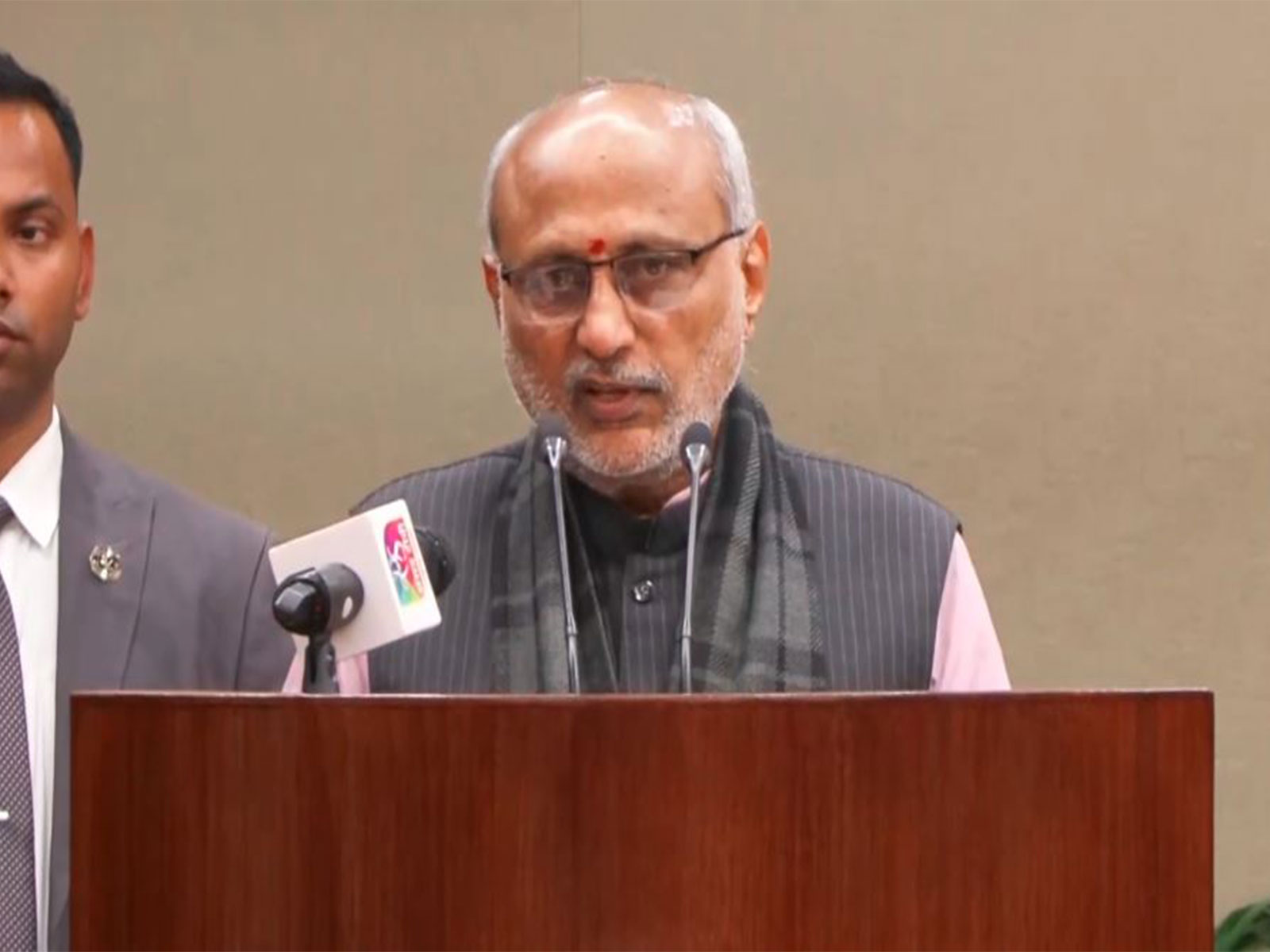
Atal Bihari Vajpayee was an institution, not merely an individual: Vice President CP Radhakrishnan – World News Network
National December 24, 2025
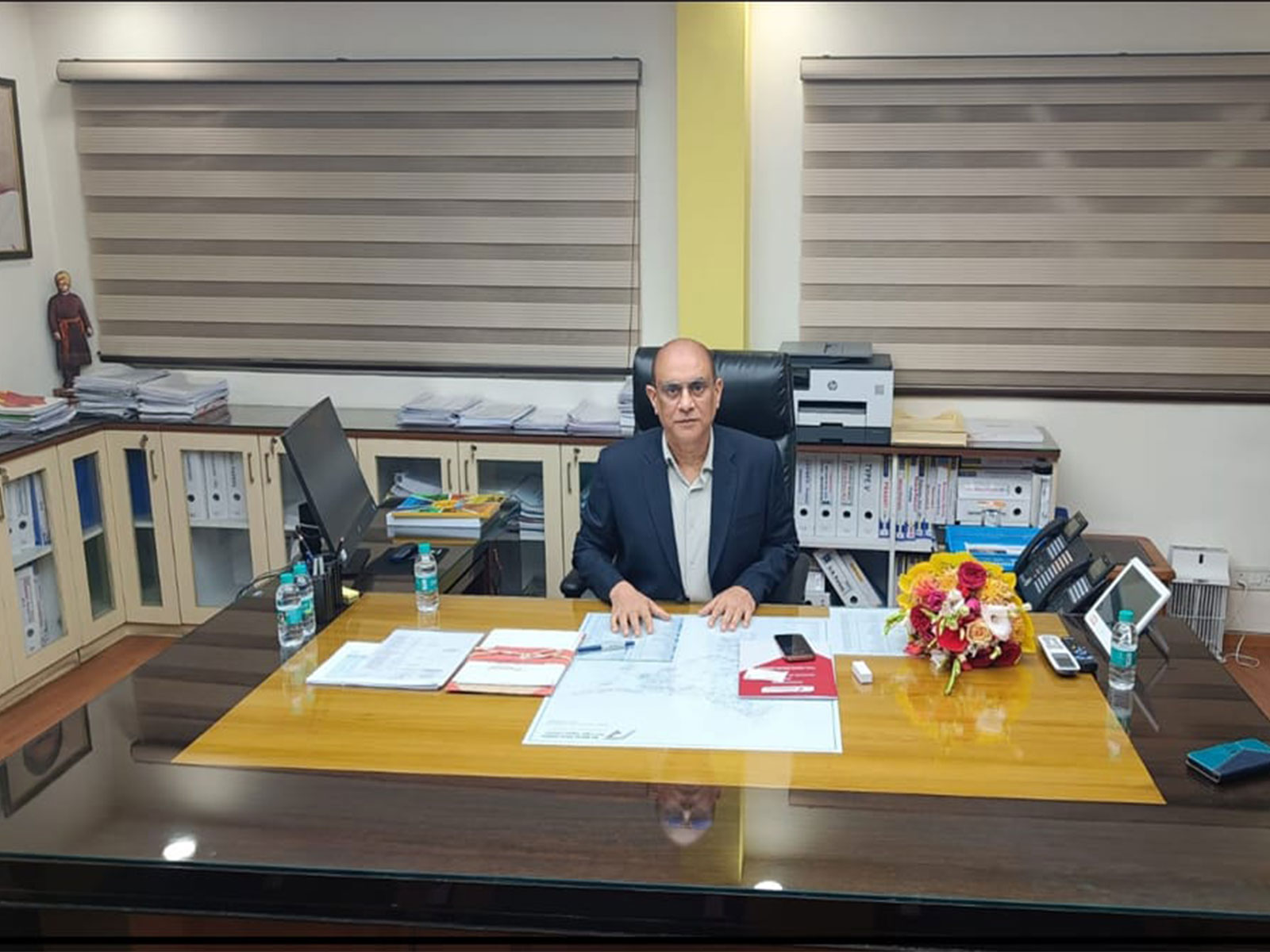
Saleem Ahmad assumes charge as new Chairman and Managing Director of Rail Vikas Nigam Limited – World News Network
National December 24, 2025
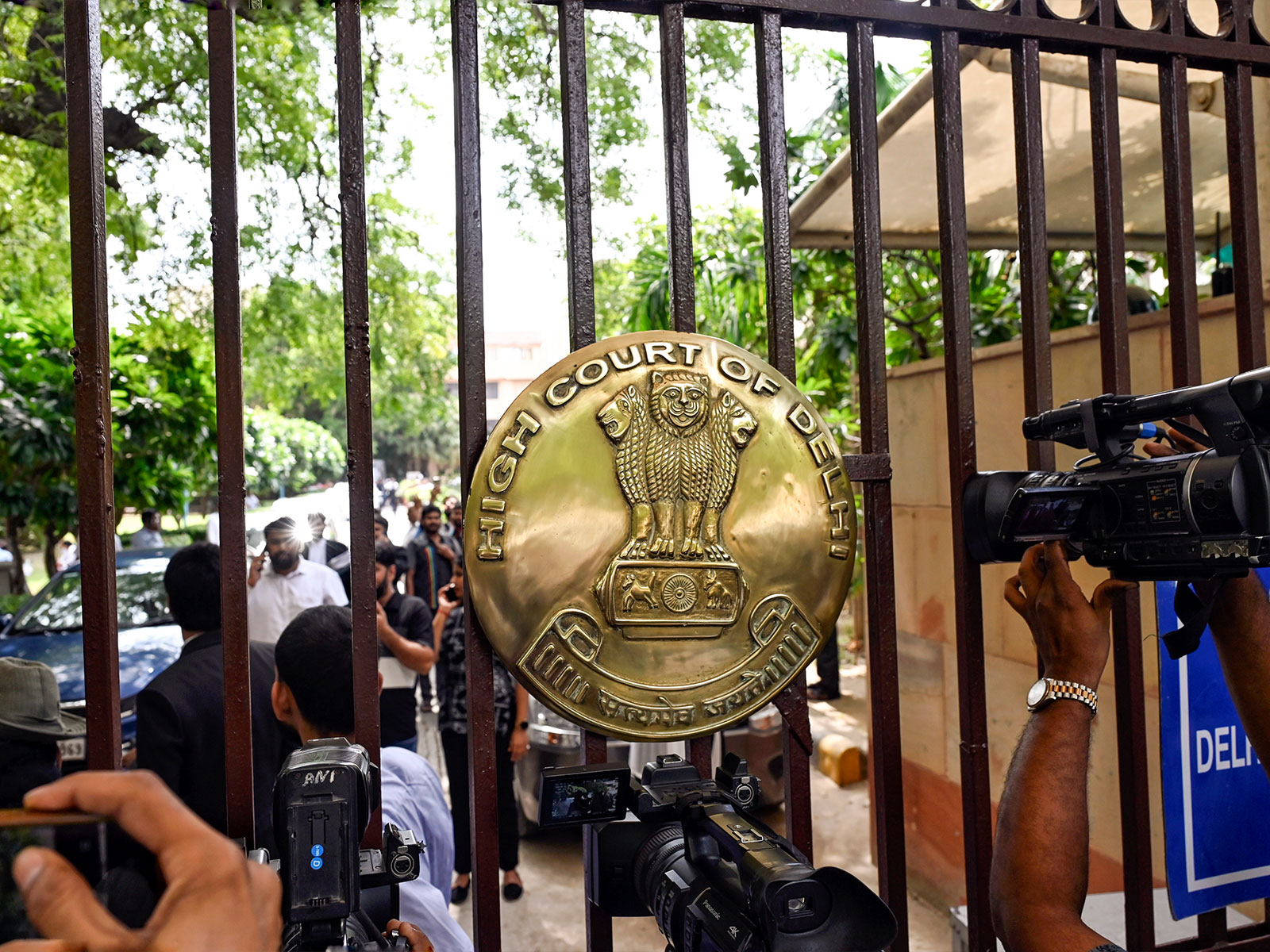
Delhi HC rejects appeals challenging charges framed against Shabir Ahmed Shah and other accused – World News Network
National December 24, 2025

Sports

NZC introduces new bonus point system for Women’s Super Smash – World News Network
Sports
Australia’s Ashes campaign set to continue without Cummins, uncertainty over T20 World Cup too; confirms head coach Andrew McDonald – World News Network
Sports

Popular Category

  • Business
  • Entertainment
  • Health
  • Lifestyle
  • National
  • Science
  • Sports
  • Tech
  • Videos
  • World
  • Marathi
  • Hindi
  • Gujarati
  • Press Release
  • Press Release Distribution Packages

Entertainment

“Eyes filled with tears of joy and pride”: Emotional Big B reviews grandson Agastya Nanda’s ‘Ikkis’ – World News Network
Entertainment
Renowned Hindi author Vinod Kumar Shukla dies at 89, PM Modi recalls his contribution – World News Network
Entertainment
Latest World News UpdateLatest World News Update
Follow US
Copyright © 2023 World News Network. All Rights Reserved
Welcome Back!

Sign in to your account

Lost your password?